| |
| Monday 2 November 2026 |
| Sir Edwin Lutyens |
| Mark Connelly |
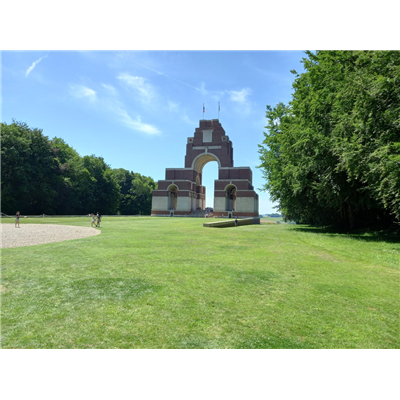 |
Perhaps the most celebrated of the IWGC’s architects, Lutyens’s work for the Commission reflected his growing engagement with Classical design principles and approaches. This talk examines his key works for the Commission and places them into the context of his wider work and the ways in which his architecture and horticulture exert subliminal effects on the experience of visiting. |
|
| Monday 7 December 2026 |
| The Curious History of Christmas Food |
| Peter Ross |
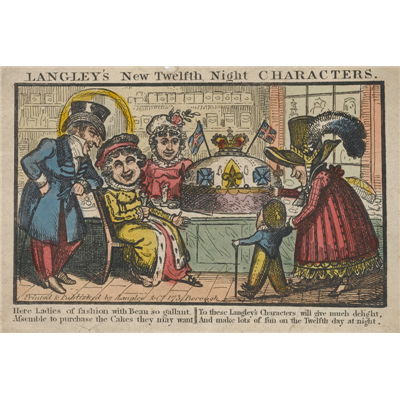 |
The foods we eat at Christmas have a long, curious and visually spectacular history. This lecture narrates and illustrates that history from Medieval boar’s head and brawn, by way of highly decorated seventeenth century mince pies to the almost forgotten Twelfth Night Cake. Medieval illuminated manuscripts, paintings and prints from the seventeenth to the nineteenth centuries, and illustrations from cookery books provide us with images of some of the lost glories of the British Christmas feast. |
|
| Monday 4 January 2027 |
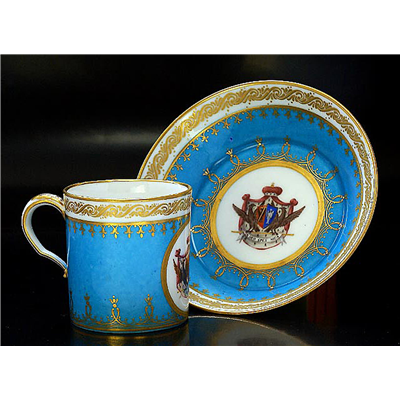
| From Vincennes to Sèvres - the Dawn of French Royal
Porcelain |
| Anne Haworth |
 |
|
|
| Monday 1 February 2027 |
| Catherine the Great - Autocrat and Patron of the Arts |
| Christopher Newlands |
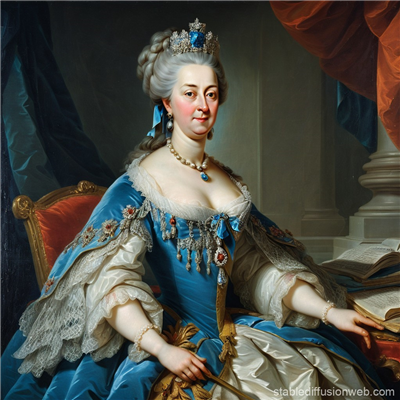 |
From relatively humble beginnings, Catherine rose to be one of the few European rulers to receive the title 'The Great'. Aside from her political ambitions and successes, as a patron of the arts, she created an unparalleled collection of paintings, ornaments and sculptures, many of 7 which remain at the centre of The Hermitage Museum. This lecture summarises her rise to power, and her passion for acquiring things of beauty for her private collection. |
|
| Monday 1 March 2027 |
| Caravaggio - a rebel with a cause. |
| Chantal Brotherton-Ratcliffe |
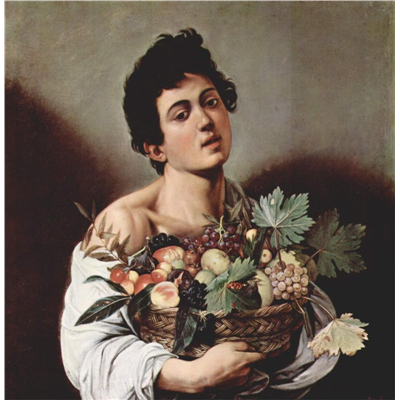 |
Caravaggio – one of the best known names today. A man of proverbial rebelliousness, painting in a style which he knew would drop a bomb on the art world he grew up in. He painted with startling immediacy, rejecting his peers’ obsession with highly artificial designs and stale quotations from earlier works of art. But he was also fortunate to be painting at a time when the Church wanted to harness the power of his art to enforce its message. This lecture considers the unlikely alliance of artist and patrons, considering why the establishment was prepared to accept him, outrageous lifestyle and all, and at the same time, examining why his art is so powerful for us today. |
|
| Monday 5 April 2027 |
| Dumfries House - An exceptional commission |
| Jonathan Meyer |
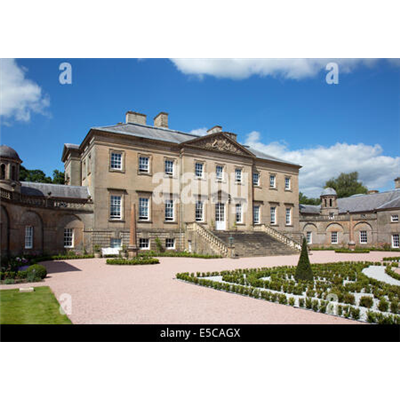 |
The furniture made by Thomas Chippendale for Dumfries House is one of the most completely documented collections of his work. This lecture considers the furniture how it related to the commission and to the designs of Thomas Chippendale. It will also examine other furniture commissioned by William Crichton-Dalrymple, 5th Earl of Dumfries by Francis Brodie, the Edinburgh cabinet maker, whose son William Brodie became the model for Dr Jekyll and Mr Hyde, and other cabinet-makers. The saving of Dumfries House by the intervention of Prince Charles and its subsequent restoration |
|
| Monday 10 May 2027 |
| Mid eighteenth century English Rococo Silver - its social context and
adventures of its owners and makers. |
| Ralph Hoyle |
 |
|
|
| Monday 7 June 2027 |
| The Age of Jazz |
| Sandy Burnett |
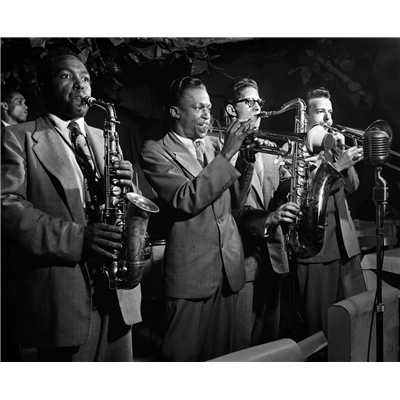 |
Jazz is one of music’s most important genres: a fascinating blend of rigorous structure, free- wheeling creativity, close-knit ensembles and imaginative improvisation. Drawing on his experience both as musicologist and gigging musician, Sandy can shed light on jazz from the inside. His talk covers the early years of jazz up to the Second World War, and touches on the disparate influences which lay behind the emergence of jazz. Musical illustrations range from the blues, ragtime and the very first recordings through to classics by Louis Armstrong’s Hot Five and the Duke Ellington Orchestra, and the sumptuous sound of the Swing Era. |
|